Capture the subject
Walk around the object, structure, or landscape while collecting overlapping photographs from steady, varied viewpoints. Keep the subject visible and the lighting as consistent as practical.
Practical use cases
These realityscan examples show how a photo set moves through a real production pipeline, from capturing an object or place to preparing a usable 3D deliverable.
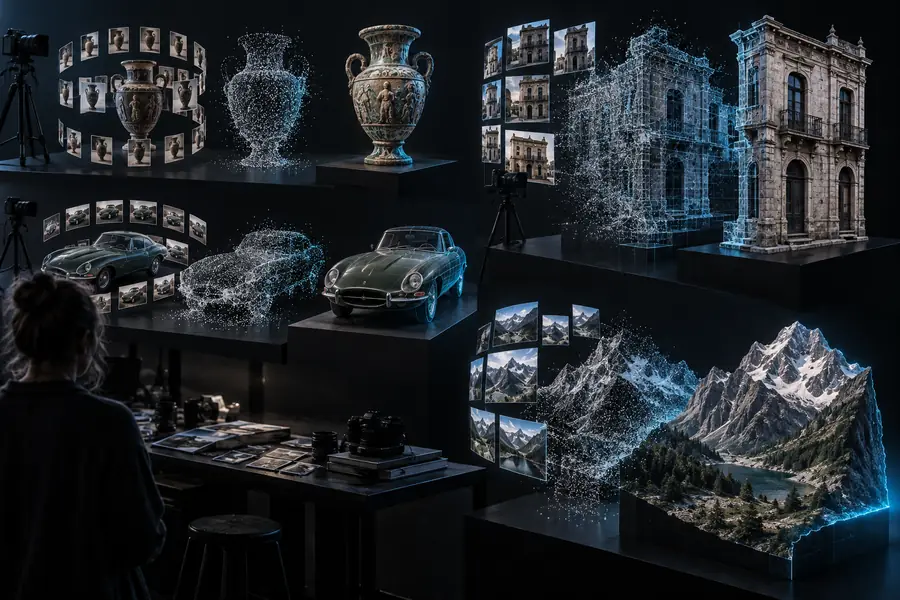
RealityScan fits into workflows that already begin with a camera, a reference subject, and a clear reason to build in 3D.
The useful role is between reference capture and downstream production: organize the source material, reconstruct the subject, then refine the output where it will be used.
Walk around the object, structure, or landscape while collecting overlapping photographs from steady, varied viewpoints. Keep the subject visible and the lighting as consistent as practical.
Bring the image set into RealityScan and review the resulting alignment, point cloud, and model. Add coverage or remove weak frames when the reconstruction needs correction.
Export the result for inspection, editing, presentation, game development, geospatial work, or a later 3D-print preparation pass.
The strongest examples connect a recognizable source subject with a deliverable that has a clear job. The change is not just visual; it makes the subject easier to inspect, share, or reuse.
A small object is photographed from multiple angles before a new digital version is needed.
A reference-ready model supports look development, scale checks, and asset planning.
realityscan tutorialA building detail or interior space is documented before a design review or restoration study.
A navigable reconstruction preserves visual context that flat photographs can miss.
realityscan online freeA location, prop, or surface is captured before it becomes part of a digital environment.
The resulting asset gives artists a grounded base for texturing, blocking, and set dressing.
realityscan from videoA physical subject is scanned before adaptation for a replica, miniature, or print workflow.
The model provides a measurable starting point for cleanup and fabrication preparation.
realityscan for 3d printing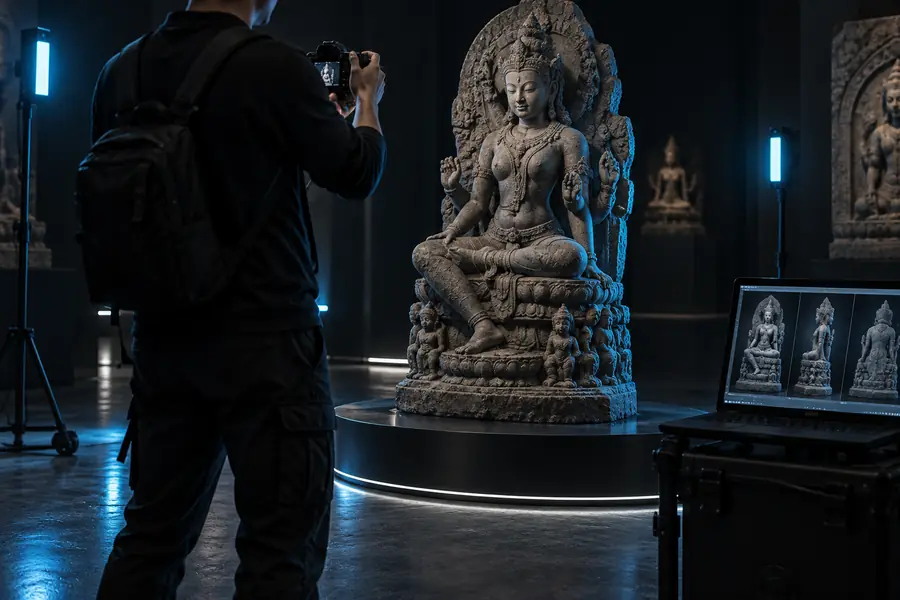
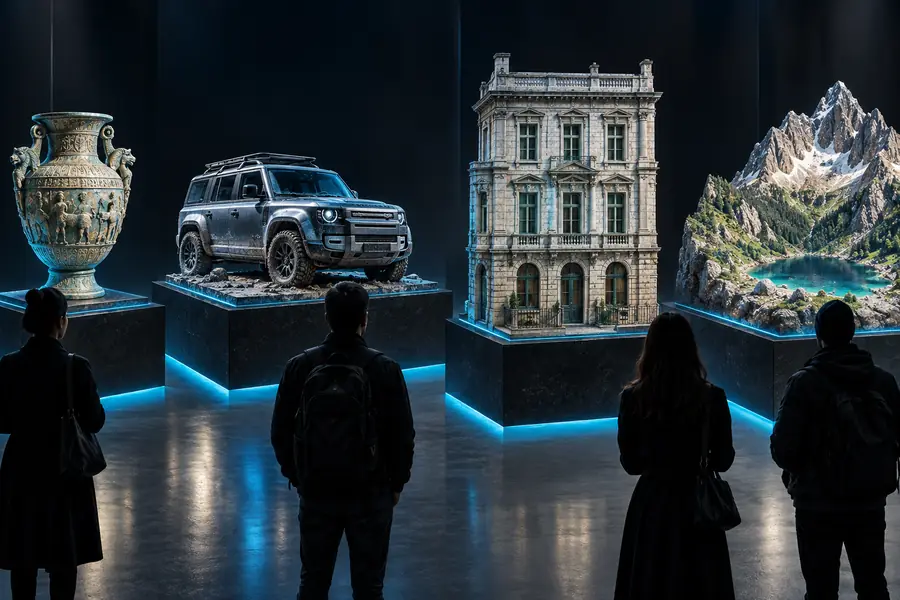
A useful comparison keeps the subject, coverage, and intended output visible at every stage.
These answers address the most common ways people look for free examples and downloadable reference material.
Start with examples organized by subject and intended use, such as sculptures, architecture, landscapes, or game assets. A useful free example should show both the captured reference and the reconstructed result, rather than presenting only a finished image.
A PDF can be useful when you need a compact reference for a class, review, or production handoff. Look for examples that include the capture context, the reconstruction stage, and notes about the expected deliverable so the document explains the workflow rather than acting as a simple image gallery.
Check whether the subject is shown from enough viewpoints and whether the final result preserves the details that matter for its intended use. The clearest examples connect source coverage, reconstruction quality, and a specific next step such as editing, visualization, or printing.
Yes. Compare an example with your subject before you begin, then identify the viewpoints, lighting conditions, and level of detail that appear relevant to your outcome. Use the comparison to plan a complete walkaround instead of relying on a few isolated photographs.